

As a seasoned supplier of hybrid inverters, I've encountered numerous inquiries regarding the optimal temperature range for these critical devices. Understanding this range is crucial for ensuring the longevity, efficiency, and reliability of hybrid inverters in various applications. In this blog, I'll delve into the science behind temperature requirements, explore how different temperatures affect inverter performance, and provide insights to help you make informed decisions for your energy systems.
The Science of Temperature and Hybrid Inverters
Hybrid inverters are sophisticated electronic devices that convert direct current (DC) from solar panels or batteries into alternating current (AC) for use in homes, businesses, or the grid. They also manage the flow of energy between different sources, such as solar panels, batteries, and the utility grid. Like all electronic components, hybrid inverters are sensitive to temperature changes, which can impact their electrical properties, efficiency, and overall performance.
At the heart of a hybrid inverter are semiconductor devices, such as insulated-gate bipolar transistors (IGBTs) and metal-oxide-semiconductor field-effect transistors (MOSFETs). These devices are responsible for switching the electrical current at high frequencies, and their performance is highly dependent on temperature. As the temperature increases, the resistance of the semiconductor materials also increases, leading to higher power losses and reduced efficiency. Additionally, excessive heat can cause thermal stress on the components, leading to premature aging, degradation, and even failure.
On the other hand, operating a hybrid inverter at extremely low temperatures can also pose challenges. Cold temperatures can increase the internal resistance of the batteries, reducing their capacity and efficiency. It can also affect the performance of the electronic components, causing them to operate more slowly or erratically. In some cases, very low temperatures can even cause the electrolyte in the batteries to freeze, leading to permanent damage.
Optimal Temperature Range for Hybrid Inverters
The optimal temperature range for a hybrid inverter typically falls between -20°C to 60°C (-4°F to 140°F). This range is designed to ensure that the inverter operates efficiently and reliably under normal conditions. However, it's important to note that different models and manufacturers may have slightly different temperature specifications, so it's always best to refer to the product datasheet for the exact temperature range.
Within this optimal range, the inverter can achieve its maximum efficiency and performance. At lower temperatures, the internal resistance of the semiconductor devices is lower, resulting in less power loss and higher efficiency. As the temperature rises, the efficiency may gradually decrease, but the inverter should still be able to operate within acceptable limits. However, if the temperature exceeds the upper limit of the recommended range, the inverter may automatically shut down to protect itself from damage.
Effects of High Temperatures on Hybrid Inverters
High temperatures can have several detrimental effects on hybrid inverters. One of the most significant impacts is on the efficiency of the inverter. As mentioned earlier, as the temperature increases, the resistance of the semiconductor devices also increases, leading to higher power losses. This means that more energy is wasted as heat, reducing the overall efficiency of the inverter. In some cases, the efficiency can drop by several percentage points, resulting in significant energy losses over time.
High temperatures can also cause thermal stress on the components of the inverter. The expansion and contraction of the materials due to temperature changes can lead to mechanical stress, which can cause cracks, fractures, or other damage to the components. This can ultimately lead to premature failure of the inverter, requiring costly repairs or replacements.
In addition to reducing efficiency and causing component damage, high temperatures can also affect the lifespan of the inverter. Excessive heat can accelerate the aging process of the electronic components, reducing their reliability and increasing the risk of failure. By operating the inverter within the recommended temperature range, you can extend its lifespan and ensure that it continues to perform optimally for many years.
Effects of Low Temperatures on Hybrid Inverters
While high temperatures are often a concern, low temperatures can also pose challenges for hybrid inverters. As mentioned earlier, cold temperatures can increase the internal resistance of the batteries, reducing their capacity and efficiency. This means that the batteries may not be able to deliver as much energy as they would at higher temperatures, which can affect the overall performance of the energy system.
Low temperatures can also affect the performance of the electronic components in the inverter. The cold can cause the components to operate more slowly or erratically, leading to reduced efficiency and reliability. In some cases, very low temperatures can even cause the inverter to shut down or malfunction.
To mitigate the effects of low temperatures, it's important to ensure that the inverter is installed in a location that is protected from the cold. This may include using insulation, heating elements, or other temperature control measures to maintain the inverter within the recommended temperature range. Additionally, some hybrid inverters are designed with built-in temperature compensation features that can adjust the charging and discharging parameters of the batteries based on the temperature, helping to optimize their performance in cold conditions.
Temperature Management Strategies
To ensure that your hybrid inverter operates within the optimal temperature range, it's important to implement effective temperature management strategies. Here are some tips to help you keep your inverter cool and functioning properly:
- Proper Installation: Install the inverter in a well-ventilated area that is protected from direct sunlight and extreme temperatures. Avoid installing the inverter in enclosed spaces or areas with poor air circulation, as this can cause heat to build up around the device.
- Use Heat Sinks and Fans: Many hybrid inverters are equipped with heat sinks and fans to help dissipate heat. Make sure these components are clean and functioning properly to ensure efficient heat transfer.
- Monitor Temperature: Regularly monitor the temperature of the inverter using a temperature sensor or monitoring system. This will allow you to detect any potential temperature issues early on and take appropriate action to prevent damage.
- Implement Cooling Systems: In extreme heat conditions, you may need to implement additional cooling systems, such as air conditioning or liquid cooling, to keep the inverter within the recommended temperature range.
- Battery Temperature Management: In addition to managing the temperature of the inverter, it's also important to manage the temperature of the batteries. This may include using battery thermal management systems, such as heating or cooling pads, to keep the batteries within the optimal temperature range.
Conclusion
In conclusion, understanding the temperature range for a hybrid inverter is essential for ensuring its optimal performance, efficiency, and reliability. By operating the inverter within the recommended temperature range, you can minimize power losses, extend the lifespan of the components, and prevent premature failure. It's important to note that different models and manufacturers may have slightly different temperature specifications, so it's always best to refer to the product datasheet for the exact temperature range.
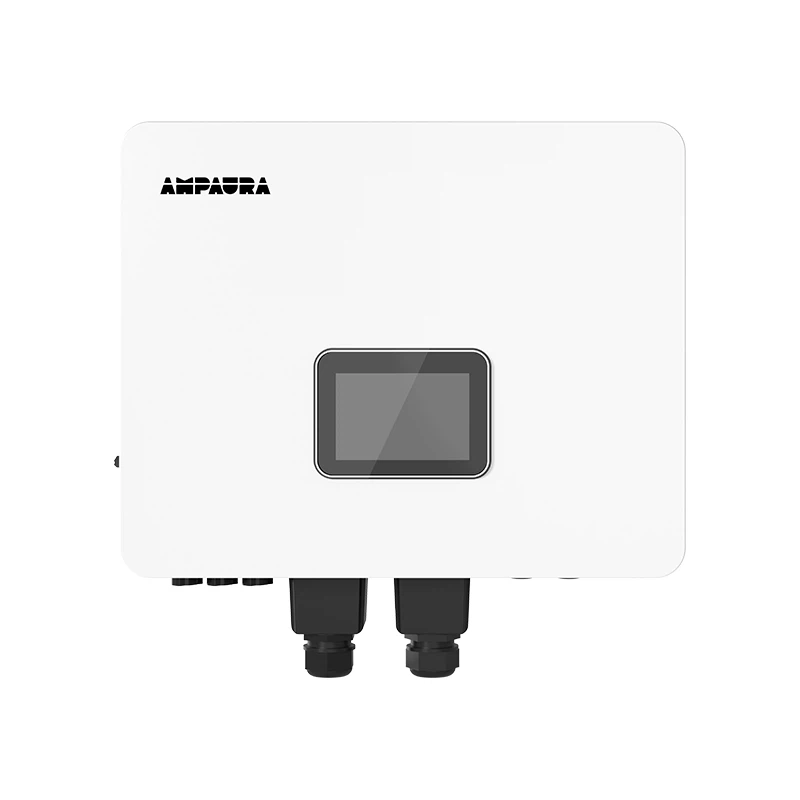
As a hybrid inverter supplier, we offer a wide range of high-quality products that are designed to operate efficiently and reliably in various temperature conditions. Our Three-phase ESS Hybrid Inverter and Single-phase ESS Hybrid Inverter are engineered with advanced temperature management features to ensure optimal performance in both high and low temperatures.
If you're interested in learning more about our hybrid inverters or have any questions regarding temperature requirements, please don't hesitate to contact us. Our team of experts is always available to provide you with the information and support you need to make informed decisions for your energy systems. We look forward to the opportunity to discuss your specific needs and help you find the perfect hybrid inverter solution for your application.

References
- "Temperature Effects on Electronic Components." Electronics Notes.
- "Battery Temperature Management in Hybrid Energy Systems." Journal of Energy Storage.
- Product datasheets of various hybrid inverter models.